Accessible Tourism
Kathleen recently graduated with a specialization in accessible tourism. Her professional project consists of a series of informative comics and a practical checklist. The comics illustrate how frustrating it can be for travelers with disabilities when they lack access to essential information or travel opportunities, and how relatively simple it can be for organizations to make the necessary adjustments. This is not merely about good intentions—it is about rights.
Travel organizations are legally required to make their products and services accessible. Not everyone is aware of this, not everyone complies with it, and in some cases it may not be feasible. However, accessibility is often achievable. So, what does this mean in practice?
In June 2025, the Dutch Accessibility Requirements Implementation Act (Implementatiewet toegankelijkheidsvoorschriften) came into force. This legislation requires providers of products and services to make them accessible to people with disabilities. The law is closely linked to the Equal Treatment on the Grounds of Disability or Chronic Illness Act (Wet gelijke behandeling op grond van handicap of chronische ziekte). Providers are required to make “effective accommodations,” but when is an accommodation considered effective? It is effective when it meets the needs of the traveler. However, not every traveler has the same needs. Moreover, accommodations must be feasible; otherwise, they may constitute a “disproportionate burden.” Organizations cannot simply claim that an accommodation is too burdensome without proper justification.
These are broad concepts that can affect different levels within an organization—from the hospitality embedded in its company culture to the design of bathrooms and the layout of web pages. In addition to the legal obligation to comply with accessibility requirements, an organization’s capabilities also play a role: what knowledge and skills are needed to implement accessibility effectively?
To address this, Kathleen developed a practical checklist, which she also tested with various organizations. In this way, she helps make the rights and responsibilities of organizations more transparent. By combining legal research with practical field research, she was able to provide valuable recommendations to the Urban Leisure & Tourism Lab.
As part of her research, Kathleen investigated the needs of travelers with disabilities. Everyone benefits from clear and accessible (digital) information. People with hearing impairments need information supported by visual elements; people with physical disabilities require detailed information about physical accessibility; people with visual impairments rely on assistive digital technologies to access information. Travelers with limited mobility need clear information about the physical demands of a trip and the support services available.
Unfortunately, this information is often not readily available. The checklist developed by Kathleen helps organizations identify and address these gaps. Through this work, she supports the Urban Leisure & Tourism Lab in raising awareness within the travel industry about the many opportunities to make accessibility a standard practice rather than an exception.
Through this link the full report can be accessed and the checklists can be downloaded.
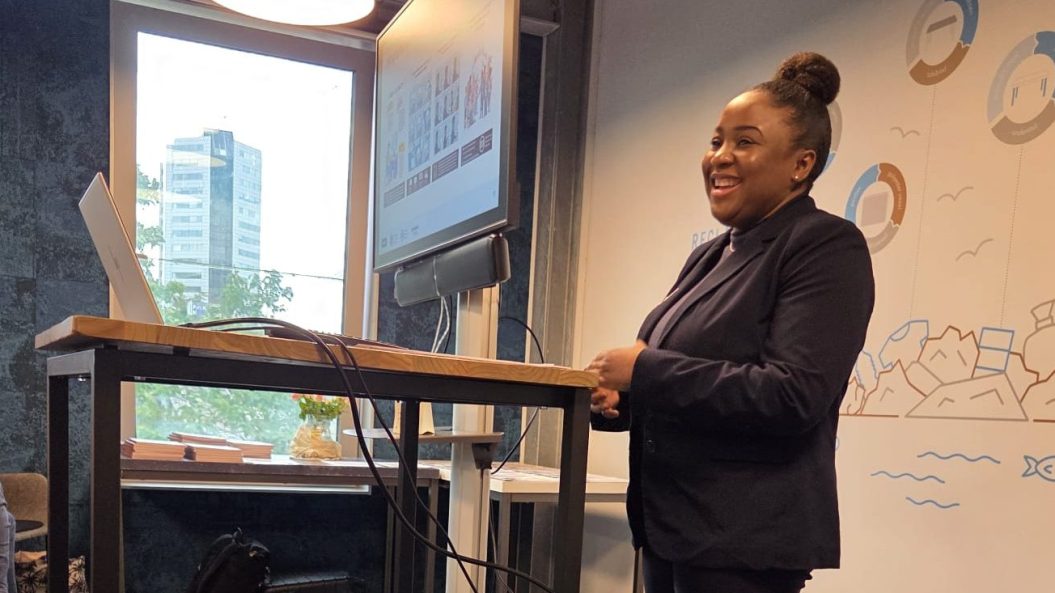
Researcher Veroniek Maat recently published the book All Aboard, which also includes the comics. The book is officially launched during the ENSUT meeting on accessible tourism on 9 June. Kathleen presented her work during the event.