Project goal
Tourism growth has significantly transformed shops, hospitality, and housing in many Dutch cities, leading to complex challenges related to livability, overtourism, sustainability, and economic interests. These challenges often create tensions between municipalities, residents, visitors, and industry professionals.
Although many stakeholders recognize the need for change, solutions often stall due to ineffective collaboration. Difficult conversations are avoided, interests clash, and there is rarely a safe space to openly discuss concerns, values, and visions for the future.
This project aims to break this impasse by developing and testing a workshop that helps stakeholders build dialogue skills based on the Inner Development Goals (IDGs). By strengthening self-awareness, empathy, reflection, and non-judgmental listening, the project creates space for meaningful conversations that are essential for sustainable decision-making.
The ultimate goal is to foster a culture of values-driven collaboration, enabling stakeholders to jointly work towards a future-proof tourism model.
Research approach
The project is carried out by researchers from the Research Group New Urban Tourism at Inholland University of Applied Sciences, in collaboration with Frans Melissen (Breda University of Applied Sciences).
At its core is the Inner Development Goals (IDG) framework, which emphasizes inner skills such as self-awareness, compassion, courage, reflection, and collaborative capacity—skills that are essential for addressing complex societal challenges in tourism.
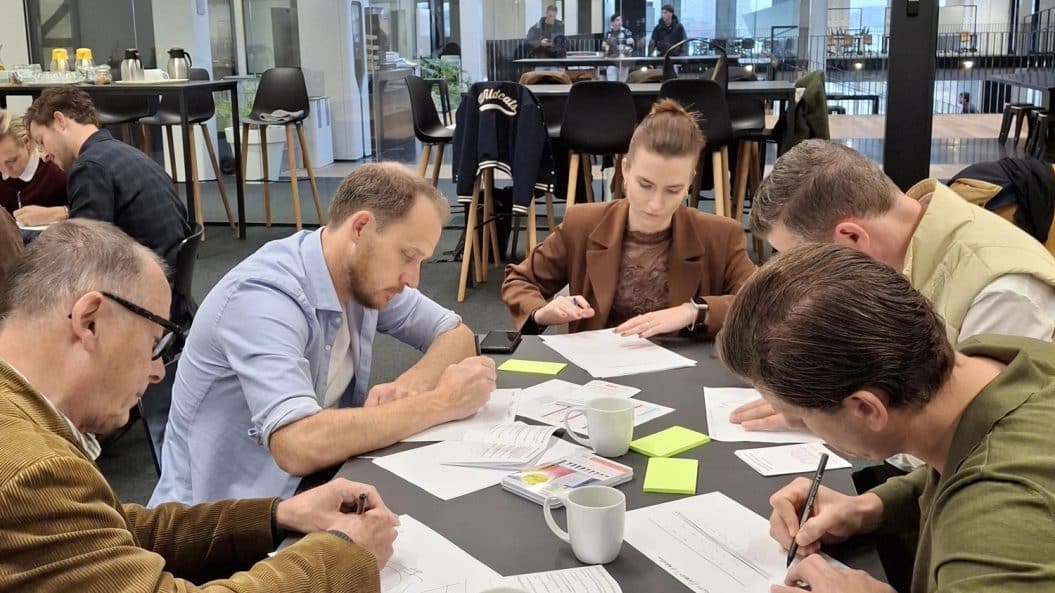
Amsterdam serves as a case study. Participants take part in interactive workshops that include reflective exercises, creative assignments, and dialogue sessions. For example, participants explore their values by imagining their ideal Amsterdam street or sharing meaningful places in the city. They also practice listening without judgment and discussing emotions and perspectives that are often overlooked.
The research focuses primarily on documenting the process: identifying what works, what insights emerge, and how the approach can be applied in other contexts. The outcomes are translated into a practical and transferable workshop methodology.
Relevance for education and practice
The project contributes valuable tools for both professional practice and higher education. The developed workshop can be applied flexibly in educational settings, helping students develop essential skills for driving systemic change.
In addition, the project supports the development of an IDG Hub, creating a safe space for reflection and shared learning among students and professionals.
Involvement of stakeholders
The workshops bring together a diverse group of stakeholders from the Amsterdam tourism sector, including businesses, policymakers, and community representatives.
This diversity enables meaningful exchange and helps build trust between different actors. By strengthening dialogue skills and facilitating open conversations, the project contributes to improved collaboration and mutual understanding.
Results
The workshops create a safe environment where participants can reflect on their own experiences, values, and emotions related to tourism. Participants learn to engage in open and respectful dialogue, focusing on understanding rather than persuasion.
The project also generates insights into what works in facilitating such dialogues. These lessons are used to further refine the methodology and make it adaptable to other cities, sectors, and contexts.
Ultimately, the project delivers a scalable and transferable approach to strengthening values-driven dialogue and collaboration in tourism and beyond.